Cart
0
You may also like




Your gut does far more than digest food. It plays a major role in immunity, skin health, energy levels, mood, hormone balance, and overall wellness. When your digestive system is out of balance, your body often sends warning signs long before a medical condition develops.
That is why interest in a gut health test has grown rapidly in recent years. More people are looking for ways to understand their digestive health and improve their gut naturally.
In this guide, we will explain what a gut health test is, common signs of poor gut health, and natural ways to support your gut microbiome for better overall wellbeing.
A gut health test is designed to evaluate the condition of your digestive system and gut microbiome. These tests can provide insights into:
Many gut health tests use stool samples to analyze the bacteria living in your digestive tract. Some advanced tests may also assess inflammation markers or identify imbalances linked to digestive discomfort.
While a gut health test can offer useful information, your body often reveals important clues through everyday symptoms.
Occasional bloating can happen after heavy meals, but persistent bloating may indicate an imbalance in gut bacteria or poor digestion.
Common signs include:
These symptoms may suggest your digestive system is struggling to process food efficiently.
An unhealthy gut can affect nutrient absorption, leaving you feeling tired even after adequate rest.
Your gut and skin are closely connected. Poor gut health has been linked to:
Supporting the gut may help improve skin appearance naturally.
If certain foods regularly trigger discomfort, headaches, or fatigue, your gut may benefit from additional support.
A large portion of the immune system is located in the gut. Frequent colds or recurring illness may indicate poor gut balance.
The gut and brain communicate constantly through the gut-brain axis. Imbalances in gut bacteria may contribute to:
A healthy gut supports much more than digestion. Research continues to show the importance of the gut microbiome for:
When your gut is functioning properly, your body can better absorb nutrients and maintain internal balance.
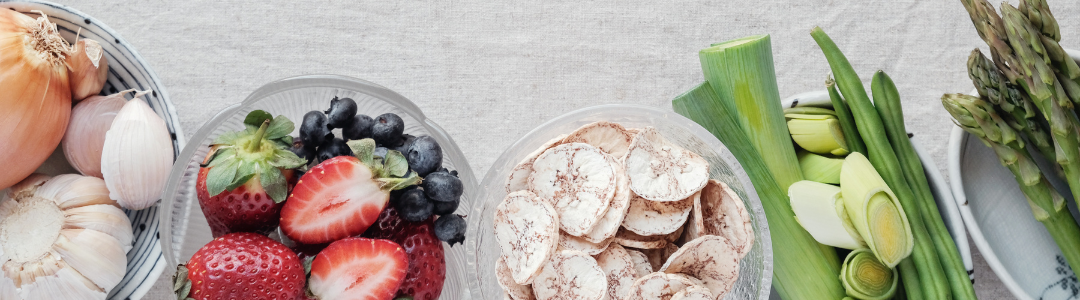
Fibre feeds beneficial gut bacteria and supports healthy digestion. Good sources include:
A varied plant-based diet helps support microbiome diversity.
Water plays an essential role in digestion and nutrient transport. Proper hydration can also help reduce constipation and bloating.
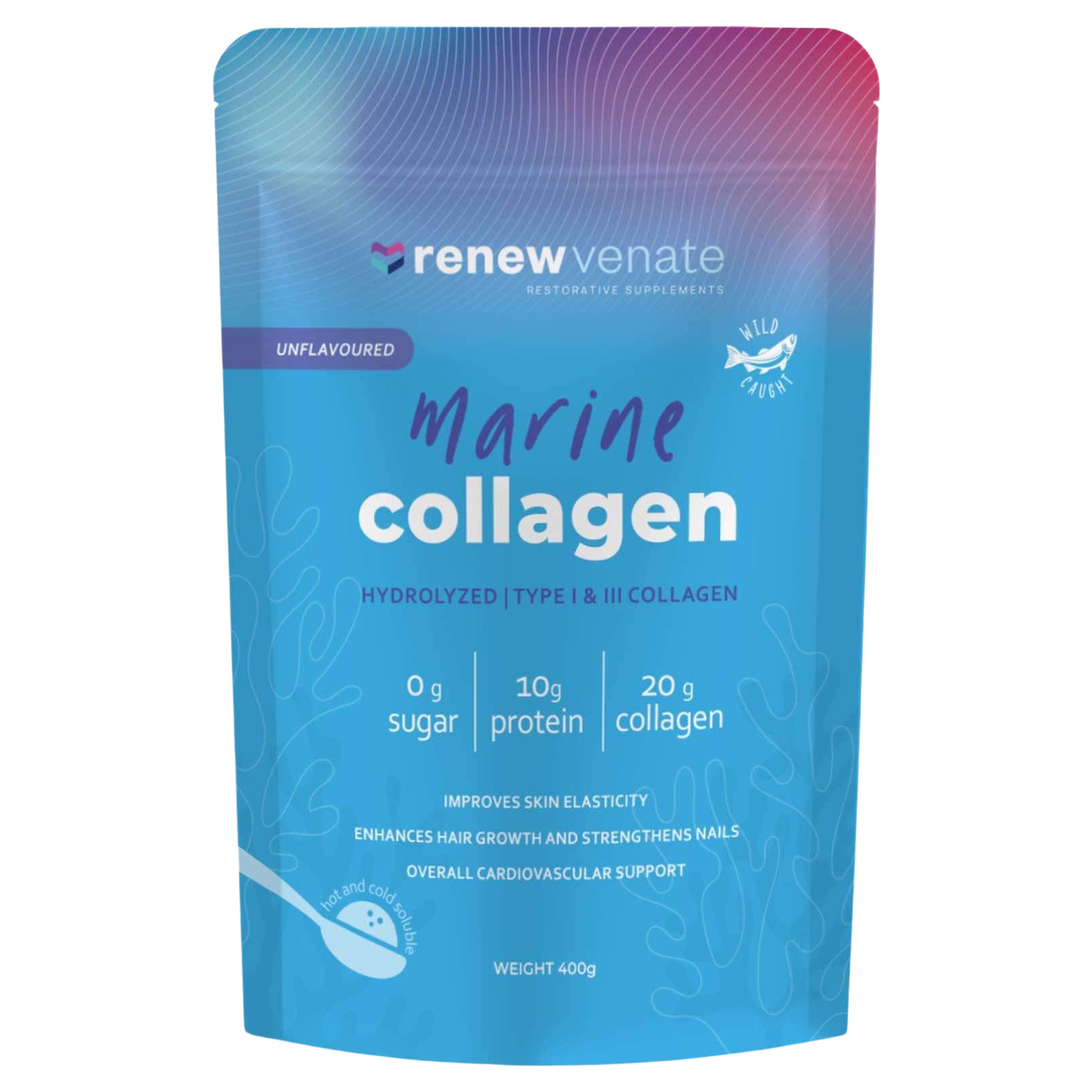
Collagen is becoming increasingly popular for gut support. Collagen contains amino acids such as glycine and glutamine, which may help support the gut lining and digestive function.
Many people also use collagen supplements to support:
Adding a high-quality collagen supplement into your wellness routine may help support both gut and skin health from within.
Highly processed foods and excess sugar may negatively affect gut bacteria balance. Focus on whole, nutrient-dense foods whenever possible.
Fermented foods naturally contain beneficial bacteria that can support the gut microbiome. Popular options include:
Chronic stress can disrupt digestion and negatively impact the gut microbiome. Helpful stress-management practices include:
A gut health test may be worth considering if you regularly experience:
While testing can provide useful insights, improving daily lifestyle habits often plays the biggest role in long-term gut health.
Simple changes such as improving nutrition, staying hydrated, reducing stress, and supporting your body with high-quality wellness supplements can make a noticeable difference over time.
Your gut health affects nearly every aspect of your wellbeing, from digestion and immunity to skin appearance and energy levels. Paying attention to early warning signs can help you take proactive steps before symptoms worsen.
A gut health test can offer valuable information, but daily habits remain the foundation of a healthy gut. Supporting your microbiome naturally through balanced nutrition, hydration, stress management, and collagen supplementation may help improve overall wellness from the inside out.
Taking care of your gut is not just about digestion. It is about supporting your entire body for healthier ageing, better energy, and long-term wellbeing.
For more information about us feel free to visit -> Renewvenate