Cart
0
You may also like
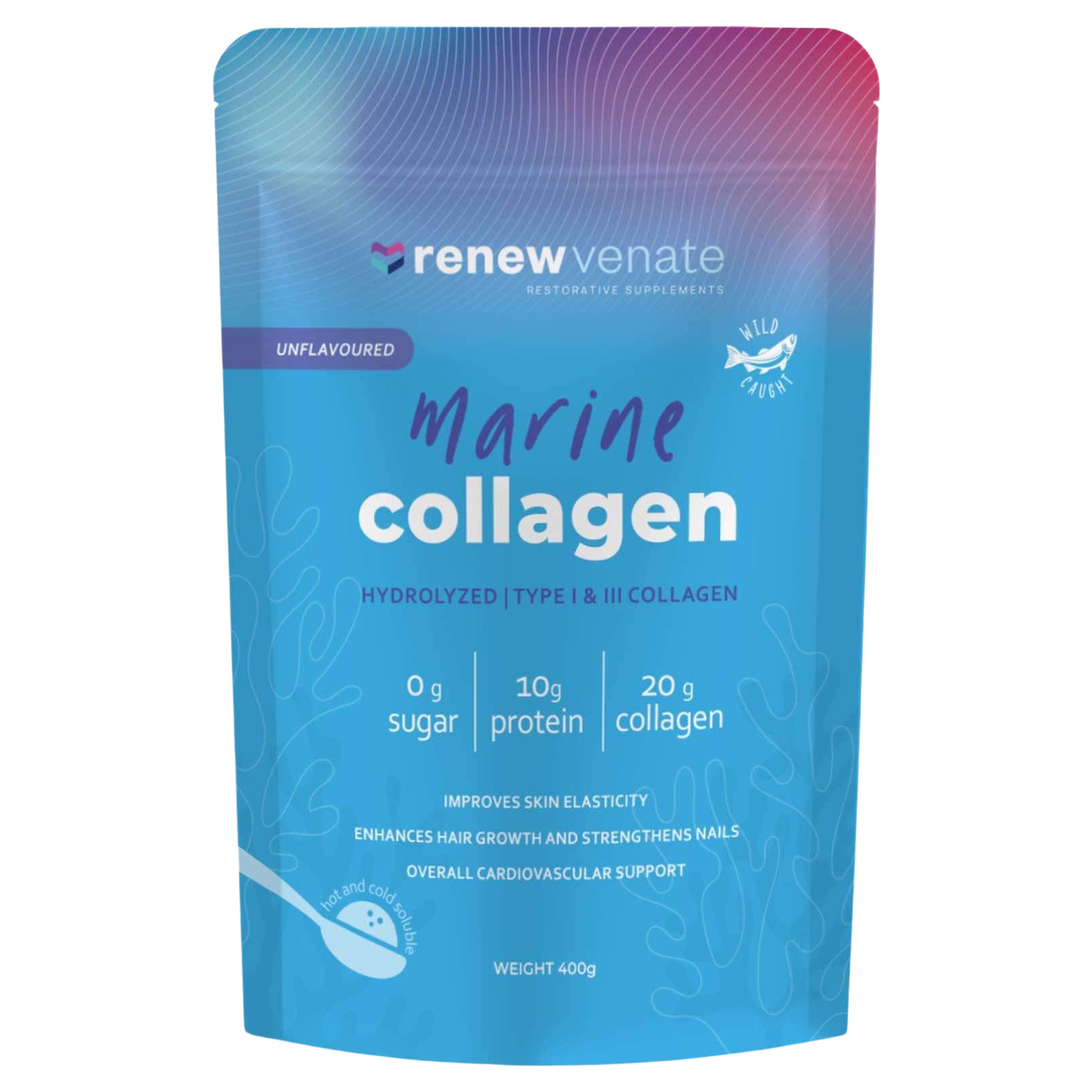



Marine collagen has become one of the most talked-about supplements in the beauty and wellness industry. Known for its ability to improve skin elasticity, strengthen hair and nails, and support joint health, it’s easy to see why so many people are adding it to their daily routine. However, like any supplement, it’s important to understand the potential marine collagen side effects before taking it. This guide will break down everything you need to know—from the benefits and safety considerations to how your body reacts to marine collagen.
Marine collagen is a type of collagen protein derived from fish skin, scales, or bones. It’s rich in Type I collagen, the most abundant type found in the human body and crucial for maintaining skin, bone, and connective tissue health.
Compared to bovine collagen, marine collagen has a smaller peptide size, making it more bioavailable and easier for the body to absorb. This means it enters your bloodstream faster, allowing for quicker and more noticeable results.
Before diving into the potential side effects, it’s worth understanding why marine collagen has become so popular:
Promotes Radiant Skin – Regular intake helps reduce wrinkles, increase elasticity, and improve hydration.
Supports Joint and Bone Health – Collagen aids in maintaining cartilage and preventing stiffness.
Strengthens Hair and Nails – The amino acids in collagen promote stronger, healthier growth.
Improves Gut Health – Collagen supports the intestinal lining and may reduce bloating or inflammation.
Enhances Recovery – Athletes often use collagen for muscle and tissue repair after exercise.
While the benefits are impressive, not everyone’s body reacts the same way—which brings us to the key focus: marine collagen side effects.
Marine collagen is generally safe for most people, especially when consumed within the recommended daily dosage. However, there are a few side effects and precautions to be aware of:
Some users report bloating, gas, or a feeling of fullness when they first start taking collagen. This usually happens as your body adjusts to the supplement. To minimize this, start with a smaller serving and gradually increase your intake.
Because marine collagen is sourced from fish, it can trigger allergic reactions in individuals sensitive to seafood. Symptoms may include itching, hives, swelling, or difficulty breathing. If you have a fish allergy, avoid marine collagen entirely and opt for a bovine or plant-based collagen alternative instead.
Although most premium collagen powders are odorless and flavorless, some may have a faint fishy taste, especially if not properly processed. Mixing it into smoothies or flavored drinks can help mask this.
Collagen made from fish scales or bones may contain trace amounts of calcium, which can lead to hypercalcemia (excess calcium levels) in rare cases. Symptoms include fatigue, nausea, or irregular heartbeat. Always choose lab-tested brands that ensure balanced nutrient levels.
If you are taking medications for blood pressure, thyroid conditions, or have kidney disease, consult your healthcare provider before taking collagen. Certain amino acids in collagen could interact with medications or affect protein metabolism.
While marine collagen is safe for most adults, the following groups should take extra care:
Individuals with fish allergies – As mentioned, this can cause serious allergic reactions.
People with chronic kidney disease – The protein content might be difficult to process.
Pregnant or breastfeeding women – Always consult your doctor before introducing new supplements.
People on strict vegetarian or vegan diets – Marine collagen is animal-derived and not plant-based.
If you want to enjoy the benefits of marine collagen while avoiding discomfort, follow these tips:
Choose high-quality brands – Look for hydrolyzed marine collagen from wild-caught fish and brands that provide third-party testing.
Start slow – Begin with half the recommended serving for the first week and observe how your body responds.
Stay hydrated – Collagen synthesis depends on proper hydration. Drink plenty of water throughout the day.
Take it with food – This can reduce digestive upset and help with absorption.
Monitor your body’s response – If symptoms persist, stop taking it and consult a doctor.
Most people who take marine collagen report positive results within 4–8 weeks—smoother skin, less joint pain, and better energy. Those who experience mild side effects usually find they disappear once the body adjusts or after switching to a higher-quality product.
Online reviews often highlight that hydrolyzed marine collagen powders are easier on the stomach and better tolerated than unprocessed versions.
Marine collagen is an effective and natural way to boost your beauty and health from within. While mild side effects can occur—especially in the first few days—most are temporary and easily managed. Choosing a reputable brand, starting slowly, and being aware of your body’s response are the best ways to enjoy its benefits safely.
When used correctly, marine collagen can help you achieve radiant skin, stronger joints, and long-term vitality—all with minimal risk.
For more information about us feel free to visit -> Renewvenate