Cart
0
You may also like
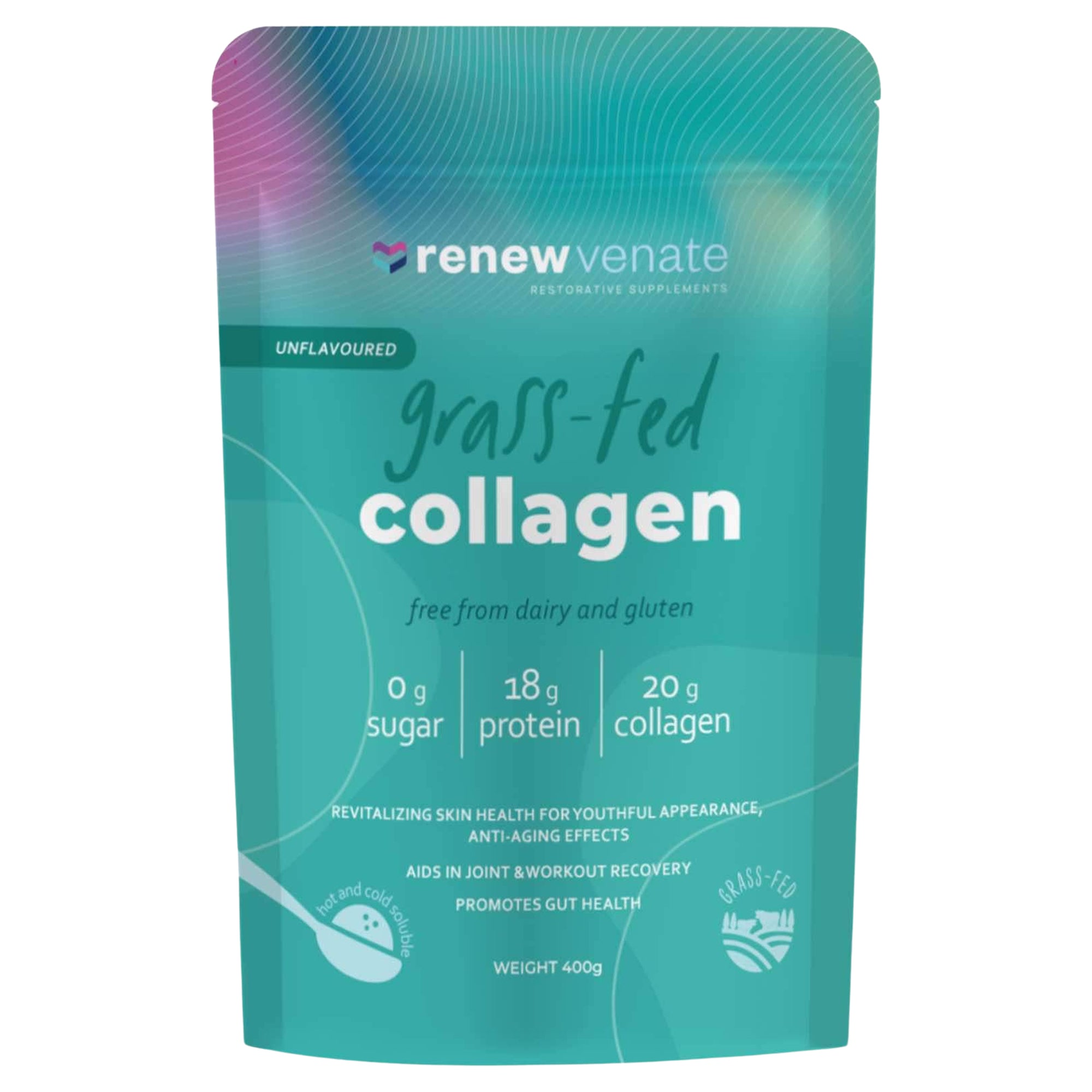
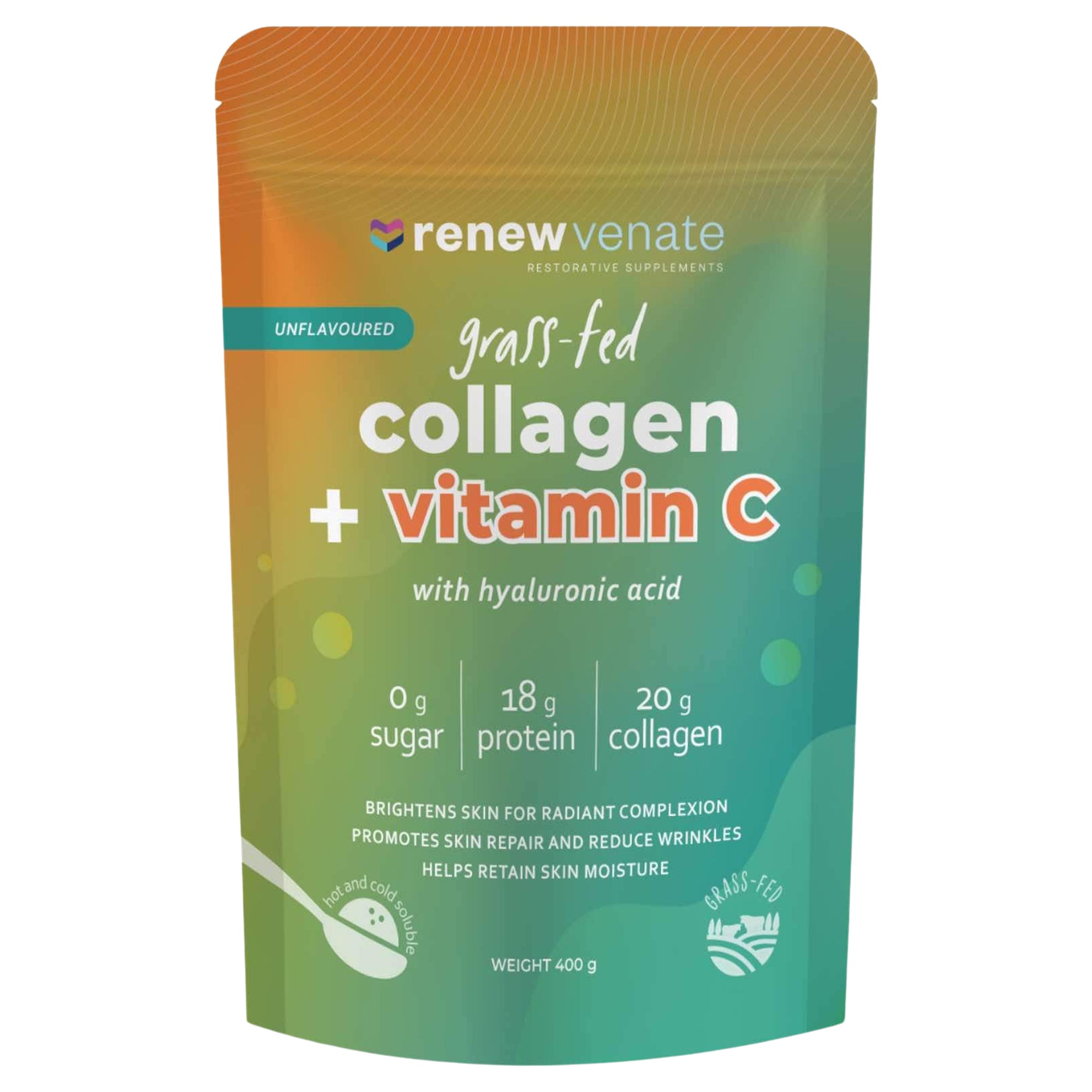
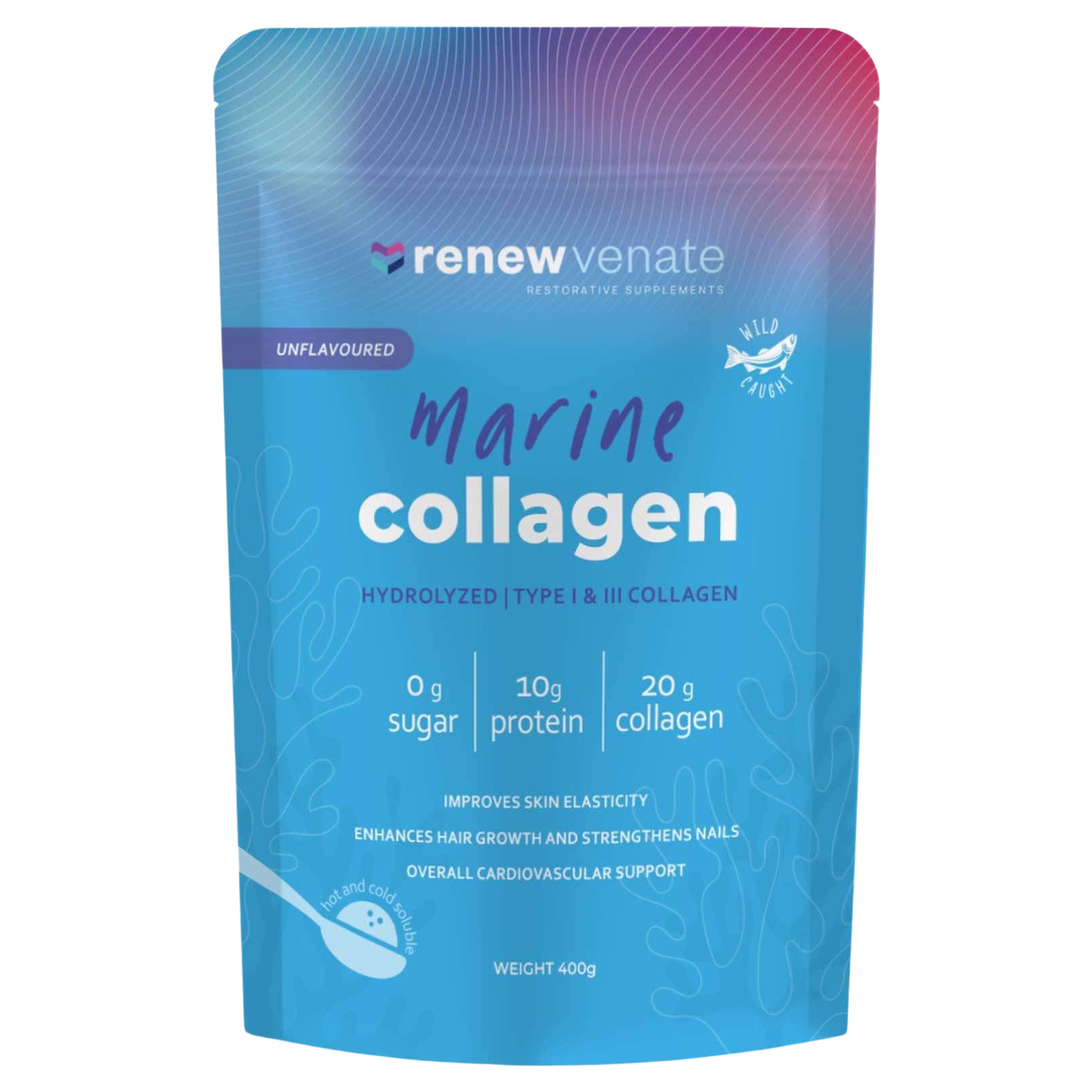


Collagen supplements have surged in popularity due to their numerous health benefits, from improving skin elasticity to supporting joint health. However, while collagen is an essential protein in the body, taking supplements may come with some side effects that are important to understand. Before incorporating collagen supplements into your routine, it’s crucial to be informed about what they are, how they work, and what possible side effects they may have.
In this blog, we’ll delve into the common side effects of collagen supplements, along with their benefits, and provide tips on how to use them safely for the best results.
Collagen is a protein found in the body that provides structure to skin, bones, muscles, tendons, and ligaments. As we age, the body’s collagen production naturally decreases, which leads to visible signs of aging, such as wrinkles, sagging skin, and joint pain. To address these issues, collagen supplements—often in the form of powders, capsules, or drinks—have gained popularity as a way to replenish collagen levels and promote overall health.
Most collagen supplements are derived from animal sources such as bovine (cow), porcine (pig), and marine (fish) collagen. Marine collagen, for instance, is highly bioavailable, meaning it is absorbed efficiently by the body.
Before discussing the side effects, it’s important to highlight the many benefits collagen supplements provide, including:
Improved Skin Health: Collagen helps maintain skin elasticity, hydration, and firmness. Taking collagen supplements may reduce the appearance of wrinkles and promote a more youthful complexion.
Joint Health Support: Collagen is a key component of cartilage, which cushions joints. Supplementing with collagen can support joint function and help alleviate joint pain or stiffness.
Bone Health: Collagen provides structure to bones, and collagen supplements may help improve bone density and strength.
Muscle Mass Maintenance: Collagen plays a role in muscle structure, and some studies suggest collagen supplements may help prevent age-related muscle loss.
Hair and Nail Growth: Collagen can improve the strength and growth of hair and nails by providing the necessary building blocks for their structure.
While collagen supplements are generally safe for most people, they can have some side effects. These side effects are usually mild and may vary depending on the individual, the type of collagen, and the dosage taken.
Some people may experience digestive discomfort when taking collagen supplements. This may include bloating, feelings of fullness, or an upset stomach. These symptoms are typically mild and may subside over time as your body adjusts to the supplement. To reduce the risk of digestive discomfort, start with a smaller dose and gradually increase it.
Since collagen supplements are often derived from animal products (such as cows, pigs, or fish), people with allergies to these sources may experience an allergic reaction. Symptoms of an allergic reaction can include itching, hives, and swelling, particularly around the face or throat. If you have a known allergy to any of the ingredients in your collagen supplement, avoid it, and consult with a healthcare provider for alternatives, such as plant-based collagen boosters.
Marine collagen supplements, which are derived from fish, can sometimes have a distinct fishy taste or aftertaste. This can be off-putting for some people. To combat this, look for marine collagen supplements that are flavored or designed to be mixed into beverages like smoothies, or opt for collagen powders that are flavorless.
Although rare, some people may experience skin reactions to collagen supplements, including rashes or acne breakouts. This is more common in individuals with sensitive skin or a history of acne. If you notice any skin reactions, it’s best to stop using the collagen supplement and consult a healthcare provider to determine the cause.
In some cases, collagen supplements may cause headaches, especially if taken in high doses. This could be due to the amino acids or other compounds in the collagen that can affect certain people. To avoid headaches, make sure to follow the recommended dosage and consider taking collagen with food to help minimize any potential discomfort.
Some collagen supplements, especially those that contain bone broth or calcium-enriched collagen, may cause elevated levels of calcium in the blood (hypercalcemia). This can lead to symptoms such as nausea, fatigue, or kidney problems. To reduce this risk, opt for collagen products without added calcium, or monitor your calcium intake from other sources.
To minimize the risk of side effects and ensure you are getting the most out of collagen supplements, follow these guidelines:
Start with a Low Dose: Begin with a lower dose to assess how your body reacts. Gradually increase the dose as needed.
Choose High-Quality Products: Look for collagen supplements from reputable brands that offer third-party testing to ensure the product is safe, effective, and free of contaminants.
Take with Food: Taking collagen with food can help reduce digestive discomfort.
Hydrate: Drink plenty of water to support your body’s collagen absorption and overall hydration.
Consult with a Healthcare Provider: If you have any existing medical conditions or concerns, speak with a doctor before taking collagen supplements, especially if you are pregnant, breastfeeding, or have allergies.
Collagen supplements can offer a wide range of benefits, from improving skin elasticity to supporting joint health and muscle maintenance. However, as with any supplement, it’s essential to be aware of potential side effects. By starting with a low dose, choosing high-quality products, and monitoring your body's reaction, you can enjoy the benefits of collagen supplements while minimizing any discomfort.
If you experience any adverse effects, it’s best to consult a healthcare provider to ensure collagen supplements are right for you. Incorporating collagen into your wellness routine can be a great step toward achieving healthier skin, joints, and overall vitality.
Contact Us
For more information about us feel free to visit -> Renewvenate